


It’s a new year, and if you’re in the corporate/event planning space, that means you’ve got a whole slew of new events to put together. February’s not even over, and you’re likely already juggling budgets, dates, and guest lists for multiple soirees.
We work closely with Spark Event Collective on all our events, so we know firsthand that, so we know firsthand that besides good food, décor, and music, memorable events have one thing in common: effective marketing. They succeed when the right people hear about them early and clearly. Turnout, engagement, and revenue all depend on that message landing where it should.
For those nodding along, we’ve put together a guide that walks through the best ways to market an event and get people clicking “yes” on your RSVP, so you don’t have to rely on last-minute reminders or luck.
.webp)
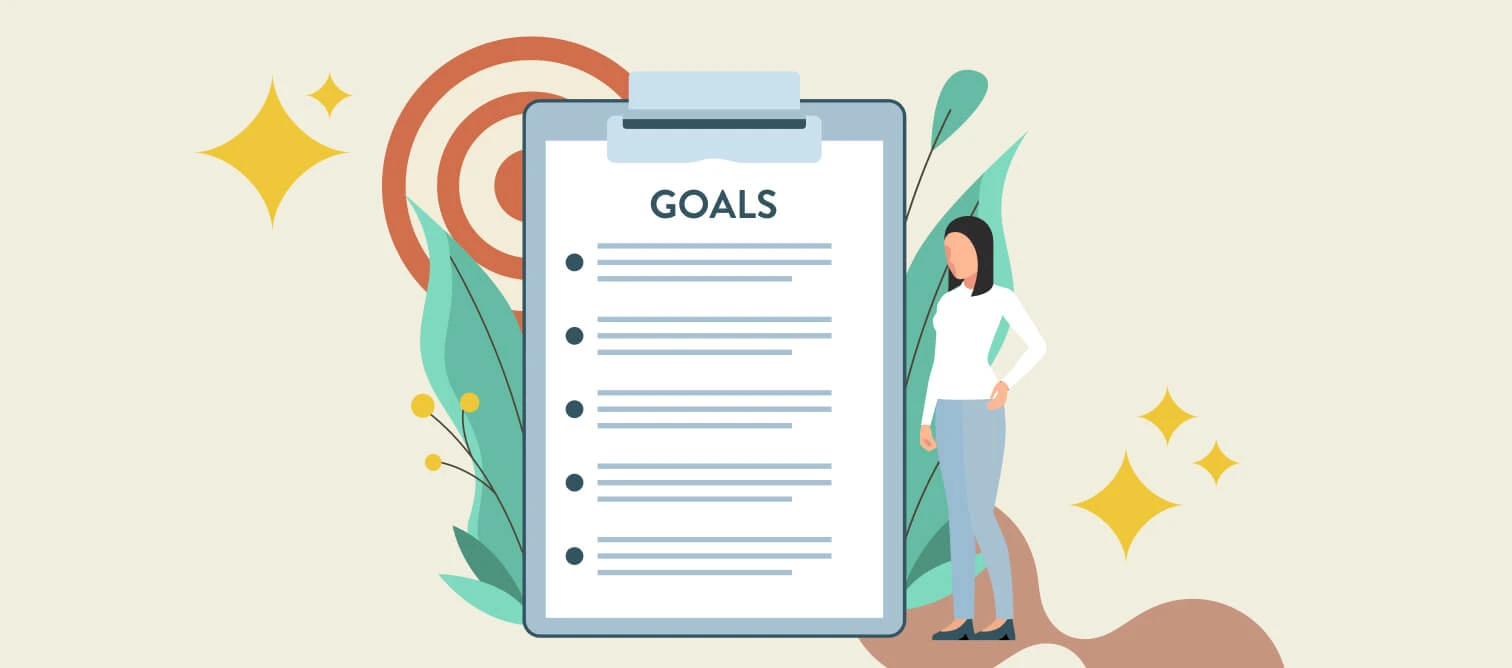
1. Start With the Goal (Before You Promote Anything)
Before you write a single post or send an invite, you need to know what you want the event to do. That sounds obvious, but it’s where a lot of event marketing falls apart.
Event objectives could include:
- Generate leads
- Increase brand awareness
- Engage customers
- Drive revenue
- Educate attendees
When you start promoting before you’ve decided what the event’s success actually looks like, you’ll end up doing a bit of everything, which creates a disconnect.
Is your head spinning from endless marketing jargon? Check out our guide to common branding and marketing terms.
2. Know Who You’re Marketing To & Where They Pay Attention
Different events attract different audiences, so you don’t need to market your event everywhere—just where your intended audience will see it.
Once you know who you’re inviting, think about how they usually hear about things. This step matters because it shapes how you spend your time. If your audience relies on email, that’s where the bulk of your effort should go. If LinkedIn or Instagram are their main touchpoints, focus there instead of spreading yourself thin across platforms that won’t result in RSVPs.
Choosing Event Marketing Channels
Event marketing succeeds when the message and the channel(s) line up. Not every channel works the same way, which is why most events benefit from using a multichannel approach.
%20(1).webp)
Sources:
- 1: Sweap
- 2: HubSpot
- 3: Adobe for Business
- 4: Flowium
.webp)
3. Build a Simple Event Marketing Plan
Once you know your goal and who you’re marketing to, you should map things out so you’re not making everything up as you go.
A strong event marketing plan breaks promotion into three parts: before, during, and after. Each stage serves a different purpose, and skipping one usually shows in the results.
Before the Event
Start promotion early enough that people can plan around it. This could include sending a save-the-date first and a formal invitation closer to the event. If it’s a corporate or client event, earlier is almost always better. Messaging should be consistent with the same core details each time (what the event is, who it’s for, when it’s happening, what they’ll get out of attending, etc).
Don’t forget clear calls to action. Include big, bold, blatant nudges like “Register”, “RSVP”, and “Save your spot”. Make the next step obvious so people don’t have to search for it.
During the Event
Sharing photos, short videos, or quick updates during the event does two things, both of which help future events:
- Reminds attendees they made a good choice
- Shows everyone else what they missed
It doesn’t need to be a whole production. A few well-timed posts, a story update, a unique hashtag, or a short clip from a speaker do a lot. Share (and encourage your guests to share) the moments that show energy, connection, and value.
After the Event
This part gets skipped a lot, and it never should. It’s where sending thank-you’s, sharing recaps, posting highlights, and mentioning any next steps should happen.
Post-event marketing helps people remember the experience and keeps your brand top of mind. It also sets the stage for the next event, making it easier to promote when the time comes.
.webp)
4. Measure What Worked (& What Didn’t)
There’s still valuable work to be done once the event wraps. We recommend that all event marketers make the following tasks part of their post-event checklist:
✔️ Compare registrations to actual attendance
✔️ Check which emails drove the most clicks
✔️ Review which channels sent traffic to your RSVP page
✔️ Note whether partner shares led to signups
✔️ Look at when registrations came in (early vs after reminders)
Keep this information on hand so future events are easier to plan and promote. Instead of guessing, you’ll know which channels are worth your time and when promotion actually leads to signups.
Need a productivity boost? These are the nine productivity tools our team can’t live without.
A New Year, a New (& Better) Event Marketing Strategy
People need a clear reason to show up to something. Without that reason, the event gets ignored, even if it’s a great idea. If people understand what the event is, who it’s for, and why it’s worth attending, they’re far more likely to commit. When that message shows up early and in the right places, promotion feels manageable instead of fly-by-the-seat-of-the-pants.
Good marketing makes event success predictable. And in 2026, we want promotion to feel seamless instead of hectic, whether you're solo organizing or have a killer event planning partner (like Spark!).
We can all cheers to that!
Looking to enhance your marketing efforts in 2026? We’re all ears! Get in touch with our team or schedule a meeting with us if you’re ready to dive right in.

